While playing tennis, I started feeling a slight pain on my right wrist. It did not bother me much as I thought it was just muscle pain, and that it would heal naturally after just a few weeks, just like any other muscle pain. This was in November 2016.
A few months later, the pain was still there but it was bearable, and I was still able to play tennis, though I started noticing it getting worse and it was especially evident when I hit my forehand drive. The harder I hit, the more it hurt. Slice shots were fine so I naturally started hitting more slice shots and less forehand drives. Serves, volleys, and my backhand shots were still fine.
In retrospect, I think it started after the strings on my racket snapped, and I switched to an old tennis racket, which was unused after it was stringed a year prior. Maybe I should have restringed it fresh before I started using it, but its fine, it’s too late for that now. The damage has been done. I was just hoping it was not permanent.
Doctor, doctor, I am sick…
On February 2017, I decided to visit the doctor as the wrist pain started getting worse, that I basically cannot hit my forehand drive any more, and I had to resort to playing slices instead. Serves were still fine though I did notice pain when I join matches and had to serve and play for a couple of hours.
Based on the recommendations of the doctor, I decided to stop playing tennis for a while. Looks like I had a TFCC (Triangular FibroCartilage Complex) tear, and I could either have it surgically fixed, or wait until it heals itself.
Given a choice between surgery (fast) and natural (takes time) healing, I was the type who would tend to always choose the natural alternative, even if it meant having to stay away from my favorite sport for a few months. I was not even sure it would heal properly but I put my trust in the innate power of the human body to heal itself.
Goodbye tennis … for now
On March 2017, I quit my weekly tennis school, and I stopped joining tennis events on Meetup. I started wearing the wrist support my doctor gave me, and hoped the wrist would heal itself naturally.
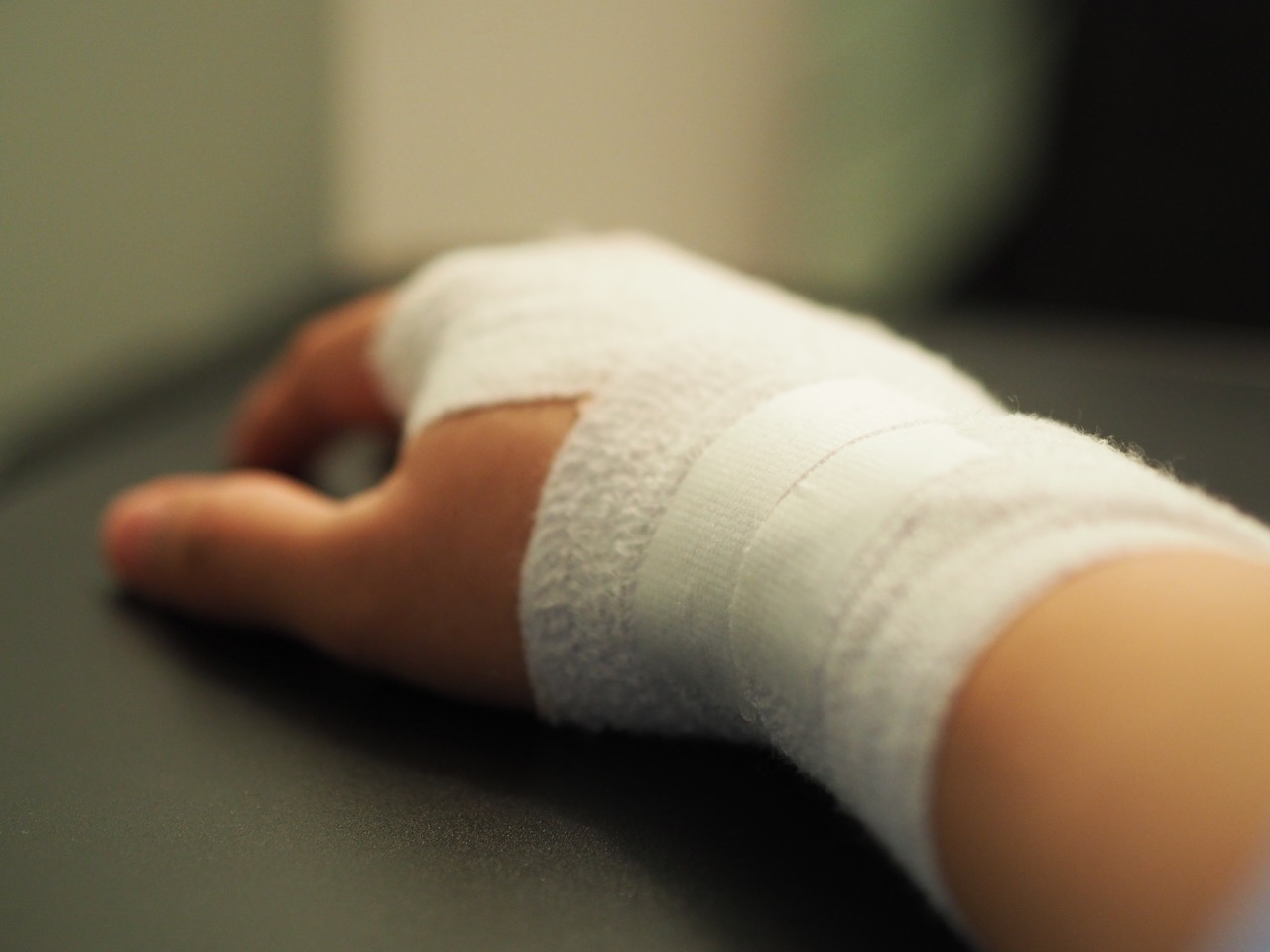
A couple of months later in June 2017, the wrist has gotten better that I stopped using the wrist support already. It still hurt but the mere fact it was getting better over time was enough to make me feel optimistic and I thought I was ready to start hitting some balls again.
Upon the advice of some of my tennis friends, I started the search for a new lighter racket, and I ended up getting the Babolat Pure Strike based on good reviews on Tennis Warehouse, and other web sites. It was lighter than my old rackets, and it’s not a Wilson, which had been my preferred brand since I started playing in 2004.
Return of the comeback
I started hitting a few balls against a wall in July 2017. There was still strong hesitation to hit forehand drives because of fear I would offset the healing process. After a few walling sessions, I decided to join a tennis Meetup event. Maybe a little too early but I joined anyways.
Obviously, the forehand drives were still not ready, though more than muscle tear pains, I thought it was more like rehabilitation pains, as my wrist has been more or less “sedentary” for a couple of months. The forehand slice was still my savior, and after that session, I told myself I would give my wrist a few more weeks of rest before I joined another one.
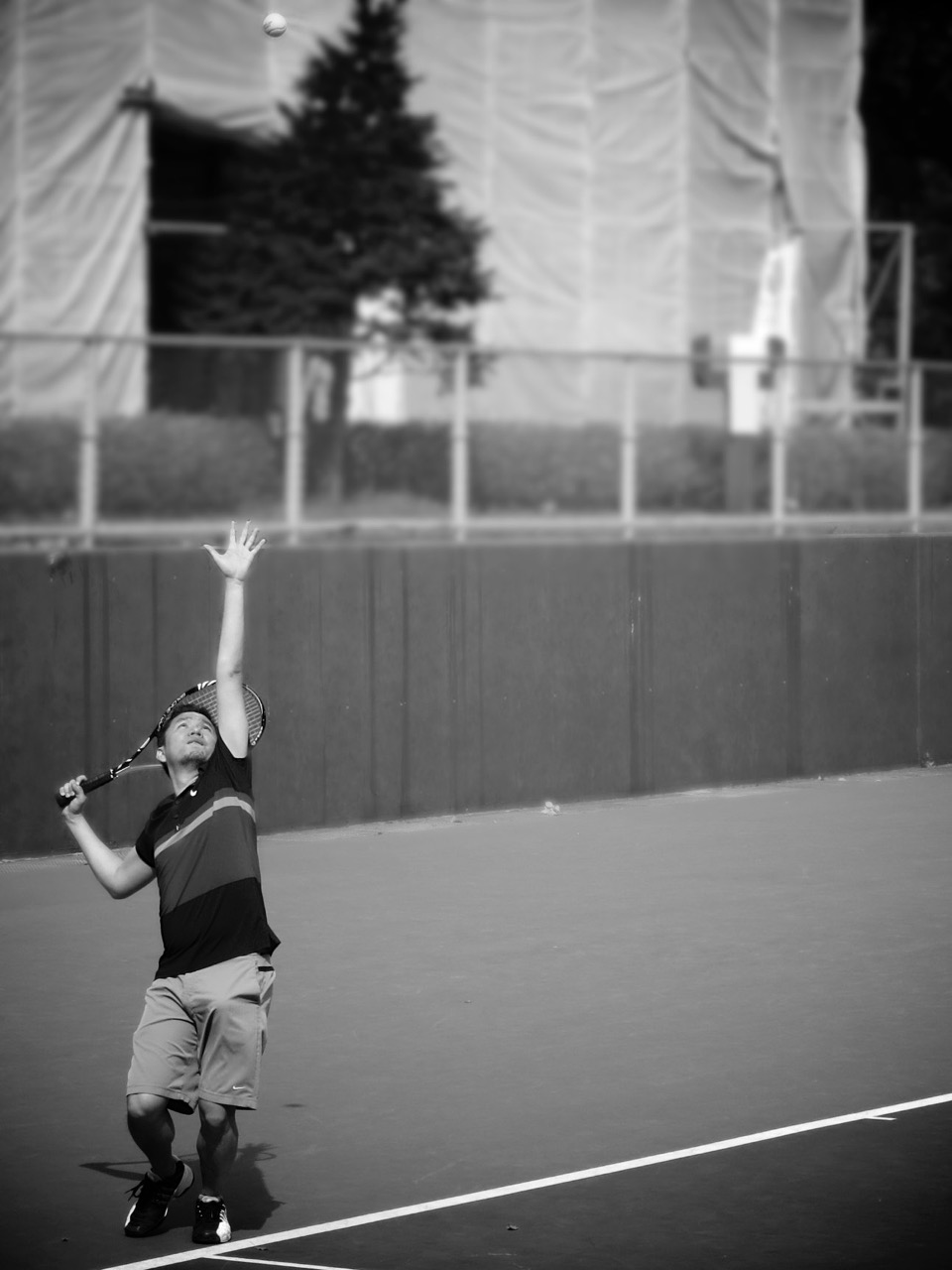
On August 2017, I joined another tennis event. Wrist was still not perfect so the forehand drive was still not there, but I did feel it improved a little since I played the previous month. I told myself that as long as I can see improvements every time I play, no matter how incremental, I was happy.
A few months later in November 2017, a full year after I started feeling the wrist pains, I was playing more often, almost every week now. The pain was mostly gone, though there was still strong hesitation in my forehand drive, though I think was was mental more than anything. I would keep on slowly pushing my forehand until it again becomes my most powerful stroke.
One good thing I got from all this though was that in the absence of my forehand drive, I was able to get a lot of practice with my slices, such that my slices are evolving into weapons on their own. Once my forehand drive comes back to it’s former glory, imagined as it may be, I would have more weapons in my tennis arsenal.
In retrospect
Looking back now in March 2018, I was happy with my decision to let my wrist injury heal naturally. I was afraid of any potential side-effects from surgery. Not to mention, natural healing is free. Free is always good.

