Twenty-five years ago today, I had just graduated from university and found myself boarding a plane for the first time in my life. I was with other trainees, and we were flying from Manila to Nagoya in central Japan, where we would begin our training as software engineers. I didn’t know it at the time, but that was the beginning of my twenty-five years in Japan—and counting.

So many things have changed in that quarter of a century.
Back then, Japan was still the second-largest economy in the world and the undisputed richest country in Asia. The country didn’t rely on inbound tourism to support its economy—its manufacturing industry was more than enough to keep things going. Tourists were rare; Japan was considered expensive, and tourist visas were hard to get. Flights between the Philippines and Japan were mostly filled with Overseas Filipino Workers (OFWs): men typically working in construction or agriculture, and women working as entertainers.
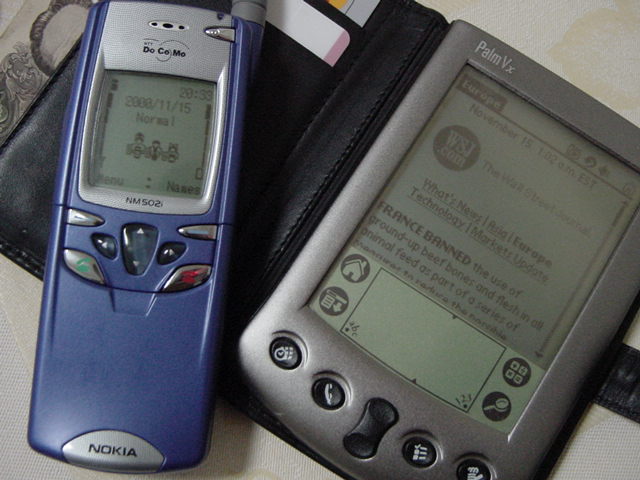
Twenty-five years later, countries like China, Germany, and India have overtaken Japan in global GDP rankings. Meanwhile, neighboring economies such as Taiwan, South Korea, and China have surpassed Japan in various manufacturing sectors. These days, Japan increasingly relies on inbound tourism to help support its economy. Flights between the Philippines and Japan are now filled with Filipino tourists—many of whom find Japan more accessible, and yes, even affordable.
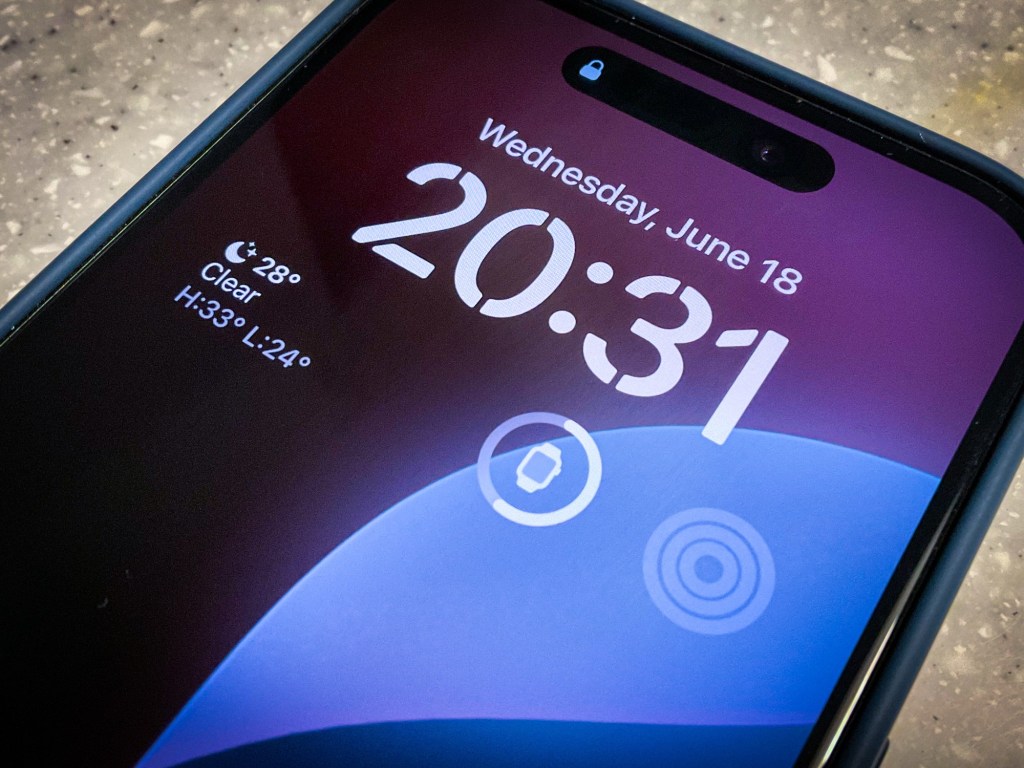
Make no mistake: Japan is still a first-world country—still clean, still safe, and its people continue to enjoy a relatively high quality of life. The Philippines remains a developing country, but with the weak yen, the rise of the Filipino middle class, and the abundance of budget airlines, Japan is now within reach for many Filipinos.
As for me and my wife, we are now permanent residents of Japan, and we intend to stay here for the foreseeable future. This is where we live now—this is our home. We’re glad that Japan has become more accessible and affordable for many Filipinos, even if it also means our Japanese yen no longer goes as far in the Philippines..
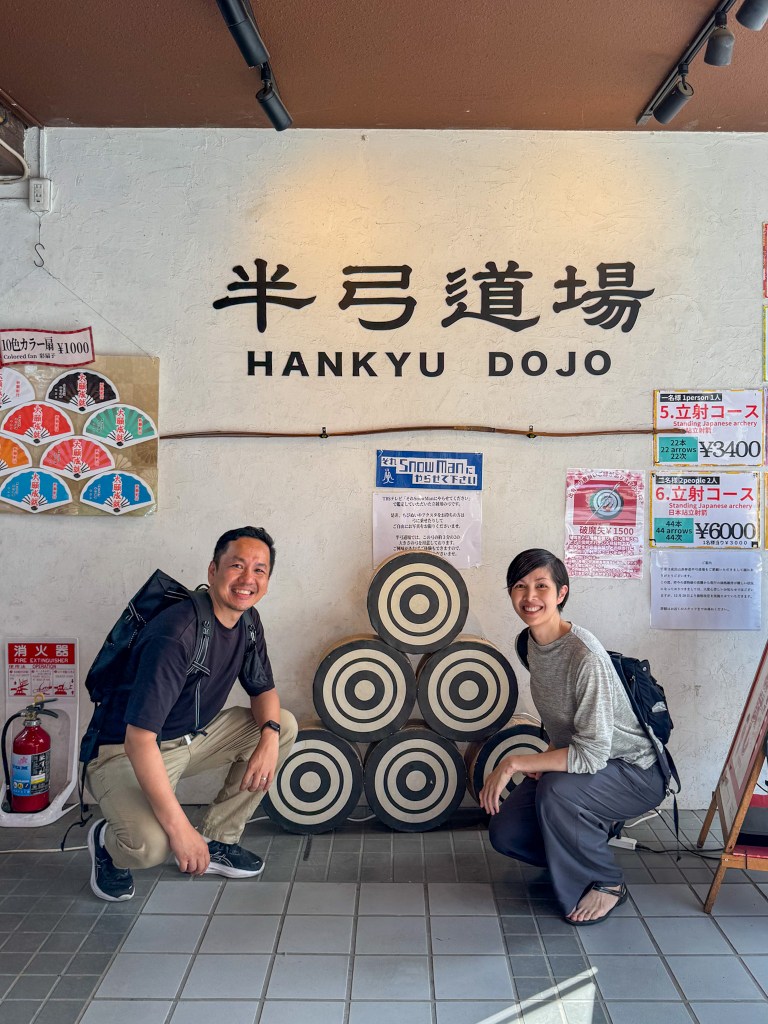
Maybe in a decade or two, the Philippines will be richer than Japan—and Japan might even become a better option for retirement, simply because it’s cheaper.
Whatever the next twenty-five years bring, I’ll always be grateful for the experience of living in Japan so far.
 Enrico in Tokyo